
The most useful decoradtech smart home ideas by decoratoradvice come down to one decision made before any device gets purchased: picking a single compatible ecosystem, prioritizing devices that solve a real daily annoyance, and choosing finishes and placement that let technology disappear into the room rather than sit on top of it. That’s the substance behind a phrase that’s spread across a wave of nearly identical blog posts over the past year, most of which repeat the same vague design philosophy without getting into anything you can actually act on.
Before getting into what genuinely works, it’s worth a quick, honest note. Neither “Decoradtech” nor “DecoratorAdvice” appears to be a single, established, verifiable brand or company. The phrase shows up across at least eight unrelated domains, each describing it slightly differently, a design philosophy, a platform, a collaboration between two things, which is a pattern more consistent with a recycled search phrase than one authoritative source. The practical advice below stands on its own regardless of where the term came from, similar to how management tips built around a recycled buzzword can still hold real value once you strip away the branding.
Pick a Connectivity Standard Before You Buy Anything
This is the single decision that prevents the most common beginner mistake: buying devices from different brands that can’t actually talk to each other. For years, that meant locking yourself into one ecosystem, Amazon Alexa, Google Home, Apple HomeKit, or Samsung SmartThings, and hoping every future purchase stayed compatible.
That’s changed meaningfully with Matter, an open, royalty-free connectivity standard developed by the Connectivity Standards Alliance and backed by Amazon, Apple, Google, and Samsung together. Matter 1.0 launched in October 2022, and the standard has expanded steadily since, Matter 1.4 added energy management and solar and heat pump support in late 2024, and Matter 1.5, released in November 2025, finally added support for security cameras, garage doors, gates, and window coverings, categories that were previously locked into brand-specific apps.
Practically, this means a Matter-certified device bought today has a real shot at working across whichever voice assistant or hub you end up using later, instead of stranding you with a single-brand app nobody in the house wants to open.
Solve a Real Annoyance, Not a Novelty
The best decoradtech smart home ideas by decoratoradvice all share one trait: they fix something you actually notice being annoying, not something that sounds impressive in a product demo. Motion-activated hallway lighting is a good example, it solves a real nighttime safety issue without requiring you to think about it, and it’s genuinely unobtrusive by design.
Contrast that with gadget-heavy setups where devices get purchased one at a time with no plan for how they’ll work together. That’s how you end up with three separate apps, two competing hubs, and a smart home that’s more work to operate than the one it replaced.
Let Finishes and Placement Do the Design Work
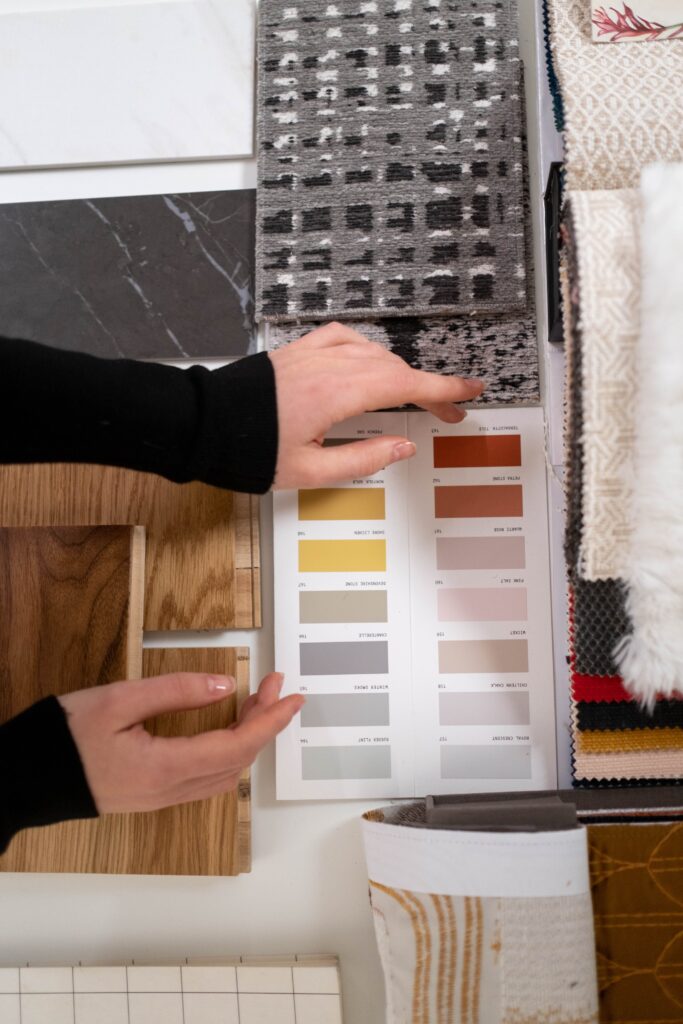
Technology integration fails visually more often than it fails functionally. A smart speaker sitting on an otherwise clean shelf, a thermostat with a mismatched finish, or visible cables running across a wall all pull attention in a way that undermines an otherwise well-designed room.
Matching device finishes to existing hardware, choosing scale appropriately (a large smart fridge genuinely overwhelms a small kitchen), and using in-ceiling or recessed options where they exist are the specific, actionable version of “design-first” advice that most articles on this exact phrase gesture at without ever naming.
Comparing the Major Smart Home Ecosystems
| Ecosystem | Best For | Matter Support |
|---|---|---|
| Amazon Alexa | Widest device compatibility, voice control | Yes, full Matter support |
| Google Home | Tight integration with Nest hardware | Yes, native local Matter support |
| Apple HomeKit | Privacy-focused, tightly integrated with iPhone | Yes, since Matter’s 2022 launch |
| Samsung SmartThings | Strong for Samsung appliance owners | Yes, full Matter support |
Since all four major platforms now support Matter, the practical decision matters less than it used to. Pick whichever voice assistant and app ecosystem you already use daily, and Matter-certified devices will generally follow along regardless of which one you choose.
Room-by-Room Priorities Worth Actually Following
Start with whichever room causes the most daily friction rather than the room that would look most impressive with new tech. For most households, that’s the entryway (a video doorbell paired with a motion light and a smart lock) or the kitchen (a smart oven you can preheat remotely, or a robotic vacuum on a fixed schedule).
Bedrooms benefit more from lighting automation tied to sunrise or sunset than from anything flashier, since the goal there is usually reducing friction around routine, not adding features you’ll rarely use.
Frequently Asked Questions
What does “decoradtech smart home ideas by decoratoradvice” actually refer to?
It’s a phrase that has spread across a number of unrelated home and lifestyle blogs, generally used as a heading for smart home and interior design integration tips. Neither “Decoradtech” nor “DecoratorAdvice” appears to be a single, verifiable brand behind the phrase.
What’s the first step in building a design-friendly smart home?
Choose a connectivity standard before buying devices. Matter, now supported by Amazon, Google, Apple, and Samsung, gives you the best chance of cross-brand compatibility without locking into one ecosystem permanently.
Do I need to replace all my devices to use Matter?
No. Matter-certified devices can typically join an existing setup gradually, and many platforms allow mixed ecosystems during a transition period, so there’s no need to replace everything at once.
How do I keep a smart home from looking cluttered with gadgets?
Prioritize devices that solve a specific daily annoyance, match finishes and scale to existing fixtures, and favor recessed or built-in options where available, rather than buying visible standalone devices for every possible feature.
Which smart home platform is best for beginners?
Whichever one you already use daily for voice control or your phone’s ecosystem. Since all major platforms now support Matter, the ecosystem choice matters less than it once did, and your existing habits are a better guide than any single feature comparison.
The most useful habit here isn’t really about “Decoradtech” as a brand, since it isn’t really one. Before buying your next smart home device, check its Matter certification specifically rather than trusting a brand name alone, since that single check protects you from the exact compatibility headaches this entire category of advice exists to prevent.