
The EcoFlow Smart Home Panel 2 is a modular subpanel that connects EcoFlow’s DELTA Pro or DELTA Pro Ultra power stations to your home’s electrical circuits, automatically switching to battery backup within 20 milliseconds during an outage. It does not include a battery on its own, and that single detail trips up more buyers than any spec on the datasheet, since the panel itself is just the switching and distribution hardware, not the power source.
That distinction matters more than most product listings make clear, and it’s worth understanding before you start comparing prices.
What You’re Actually Buying
The Smart Home Panel 2 ships as two separate modules: a battery connection box (about 12 lb) and a distribution panel (about 40.8 lb), together weighing roughly 52.8 lb. The distribution panel measures 25.5 by 15 by 6.7 inches, similar in footprint to a standard breaker subpanel, which is exactly what it’s designed to sit alongside in your home’s electrical setup.
Circuit control is where listings get slightly inconsistent. Some retailers describe it as a 12-circuit subpanel, others list 10 circuits, which is worth confirming directly with EcoFlow or your installer for your specific configuration rather than assuming either number applies universally.
The Detail Most Listings Bury: You Still Need a Battery
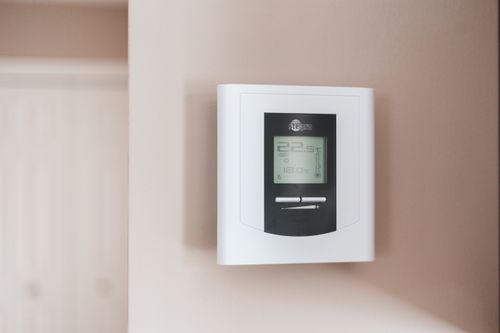
This is genuinely the most important thing to understand before buying. The panel connects to and manages EcoFlow’s DELTA Pro or DELTA Pro Ultra power stations, but those are sold separately, and they’re not cheap on their own. If you’re pricing this out for whole-home backup, budget for the panel and the battery units as two distinct purchases, not one bundled system.
With a single DELTA Pro connected, the panel can only charge that unit through the panel, it can’t discharge power back through it. To get both charging and discharging working, you need two DELTA Pro units connected via EcoFlow’s Double Voltage Hub, which unlocks a combined 7200W output. That’s a meaningfully more expensive setup than a single-battery configuration, and it’s rarely explained clearly in marketing copy.
Real Specs Worth Knowing
| Spec | Detail |
|---|---|
| Distribution panel weight | 40.8 lb |
| Battery connection box weight | 12 lb |
| Auto switchover time | 20 milliseconds |
| Compatible batteries | DELTA Pro, DELTA Pro Ultra |
| Max capacity (with DELTA Pro Ultra, expanded) | Up to 90kWh, 21.6kW output |
| Compatible inverters | Up to 3 plug-and-play |
| Stackable batteries supported | Up to 15 x 6kWh units |
| Warranty | 10 years |
| Compatible charging sources | Solar panels, grid, 3-12kW portable gas generators |
Installation Isn’t a DIY Job
Because the Smart Home Panel 2 ties directly into your home’s main electrical system, this isn’t something you install yourself over a weekend the way you would a portable power station. Several retailers offer bundled installation services specifically because a licensed electrician is genuinely required to connect it safely and up to code.
Some sellers note that going through their installation partner network can run roughly $1,000 less than hiring a standard licensed electrician independently, since they’ve already negotiated rates with pre-vetted installers. That’s worth factoring into your total budget alongside the panel and battery costs themselves.
What the Smart Features Actually Do
Beyond the basic backup switching, the panel’s real value is in circuit prioritization. You can categorize your home’s circuits into priority tiers, so during an outage, essential loads like refrigeration and lighting stay powered while non-essential circuits get shed automatically if battery capacity runs low. Real-time energy monitoring through the EcoFlow app lets you track consumption by circuit, which is genuinely useful for spotting which appliances are actually driving your electricity costs.
One retailer also describes a weather-data-informed feature that anticipates outages and adjusts backup duration planning accordingly, though this is a newer capability worth confirming is active for your specific firmware version before relying on it heavily.
Pricing Reality
Listed pricing varies noticeably by retailer, with one authorized reseller showing $1,599 as a sale price against a $2,379 listed regular price. Treat any specific number you see, including these, as a snapshot rather than a guarantee, since EcoFlow and its resellers run promotions regularly. Check EcoFlow’s own official product page directly for current pricing before budgeting, since third-party retailer pricing can shift independently of the manufacturer’s listed cost.
Frequently Asked Questions
Does the EcoFlow Smart Home Panel 2 include a battery?
No. It’s a distribution and switching panel that connects to EcoFlow’s DELTA Pro or DELTA Pro Ultra power stations, which are sold separately. Budget for both the panel and at least one compatible battery unit.
Can I install the Smart Home Panel 2 myself?
It’s not recommended as a DIY project, since it connects directly to your home’s main electrical panel. A licensed electrician is required for safe, code-compliant installation, and several retailers offer bundled installation services.
What happens if I only connect one DELTA Pro?
A single DELTA Pro will only charge through the panel, it won’t discharge power back through it. To enable both charging and discharging, you need two DELTA Pro units connected via EcoFlow’s Double Voltage Hub.
How fast does the panel switch to backup power during an outage?
The Smart Home Panel 2 switches to battery backup within 20 milliseconds, fast enough that most connected devices won’t register any interruption.
What’s the maximum backup capacity possible with this panel?
With a DELTA Pro Ultra and expanded stackable batteries, the system can reach up to 90kWh of capacity and 21.6kW of output, supporting up to three plug-and-play inverters and 15 stackable 6kWh battery units.
The most useful thing to check before buying isn’t a spec on the panel itself. Call EcoFlow or your installer and confirm the exact circuit count and battery compatibility for your specific home’s electrical setup, since listings vary between 10 and 12 circuits depending on the source, and that number directly affects how much of your home you can actually back up.