
The fastest way to start a smart home without wasting money is picking one connectivity ecosystem first, then adding two or three devices that solve an actual daily annoyance, before expanding into security and automation. That’s the real substance behind “smart home for beginners TLDUHome,” a phrase that’s been attached to wildly different, unrelated topics across several sites, everything from household organization tips to ceramic car coating, which is a strong sign it’s a recycled keyword suffix rather than a single coherent guide or brand.
The beginner advice below doesn’t depend on where that phrase came from. It’s the same practical starting point anyone new to smart home tech actually needs.
Smart Home for Beginners TLDUHome: Start With One Ecosystem
This is the single decision that prevents almost every beginner headache. Your ecosystem is the platform that connects and controls your devices, and the three realistic choices are Google Home, Amazon Alexa, and Apple HomeKit. Google Home tends to suit Android users best, Alexa offers the widest device compatibility overall, and Apple HomeKit fits naturally if you’re already deep in the Apple ecosystem and care about privacy-focused local control.
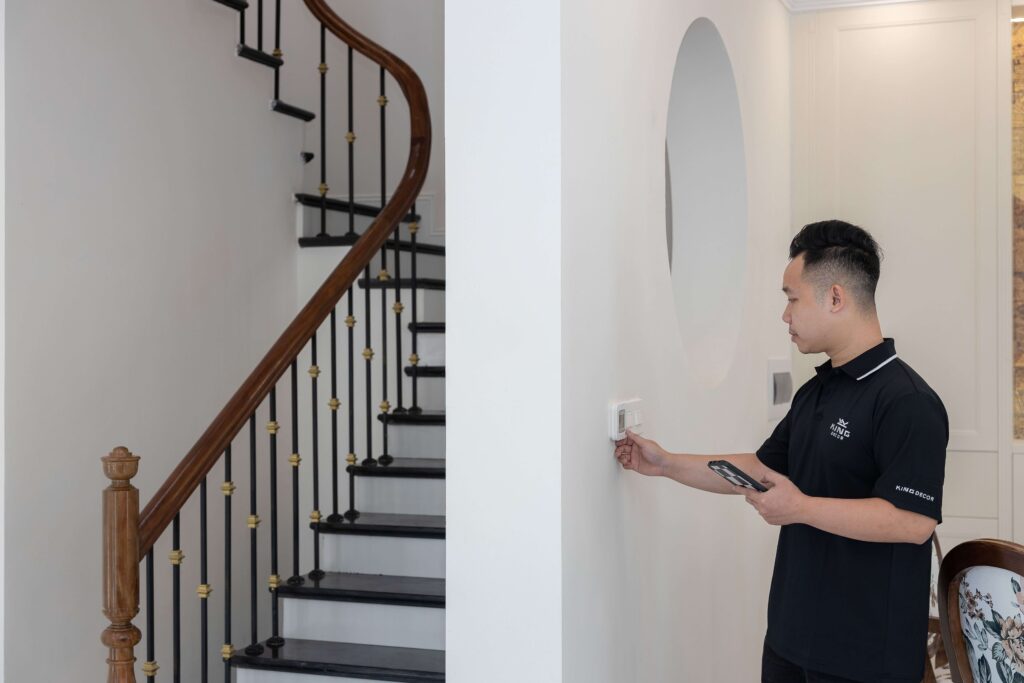
Pick one and stick with it as your primary hub. Thanks to the Matter connectivity standard, most modern devices now work reasonably well across ecosystems, but consistency still makes automation and troubleshooting noticeably easier when you’re just starting out. If you want the deeper technical reasoning behind why Matter compatibility matters when buying devices, this breakdown of picking a connectivity standard covers it in more detail.
Begin With Devices That Solve a Real Problem
Don’t try to automate your entire home in week one. Start with whichever daily annoyance actually bothers you, forgetting to turn off lights, wanting the house warm before you walk in, or losing track of which lamp is still plugged into an old-fashioned switch.
Smart bulbs from brands like Philips Hue or Wyze are genuinely beginner-friendly and let you control lighting from your phone or voice. Smart plugs are an even cheaper entry point, turning any lamp, coffee maker, or fan into a connected device without replacing the appliance itself. A smart thermostat, Ecobee and Nest are the two most established options, adjusts heating and cooling automatically based on your schedule or even your phone’s location.
Add a Smart Speaker as Your Control Center
A smart speaker or display becomes the practical “brain” of your setup once you have a few devices running. It’s what turns “open an app and tap three buttons” into “just say it out loud,” which is where a smart home actually starts feeling different from a normal one day to day.
This is also usually the device that locks in your ecosystem choice, so it’s worth picking after you’ve already decided between Google, Amazon, or Apple rather than before.
Expand Into Security Once the Basics Feel Natural
Once lighting, plugs, and climate control feel routine rather than novel, security devices are the natural next step. Smart doorbells from Ring, Eufy, or Nest Hello let you see and speak with visitors remotely, which matters whether you’re home or away. Motion sensors and cameras add a layer of monitoring for pets, deliveries, or general peace of mind, and smart locks enable keyless entry without juggling physical keys.
Resist the urge to buy all of this at once. Security devices tend to be the most expensive category, and it’s easier to evaluate what you actually need once you’ve lived with a basic smart home setup for a few weeks.
If Backup Power Is Part of Your Plan
For beginners specifically interested in combining smart home tech with home energy resilience, that’s a meaningfully bigger project than adding a few bulbs and a thermostat. It typically involves professional installation and a real budget conversation, not a weekend DIY task. If that’s part of your longer-term plan, this breakdown of what’s actually included in a whole-home backup panel setup is worth reading before you start pricing anything out.
Frequently Asked Questions
What does “smart home for beginners TLDUHome” actually refer to?
The phrase has appeared across several unrelated topics on different sites, suggesting it’s a recycled search term rather than one coherent guide or brand. The genuinely useful part is the beginner smart home advice itself, which stands on its own.
What’s the first smart home device I should buy?
Start with something that solves a real daily annoyance rather than the flashiest option available. Smart bulbs, smart plugs, or a smart thermostat are the most common beginner-friendly starting points, since they’re affordable and easy to set up.
Do I need to pick one smart home ecosystem?
It helps significantly. Google Home, Amazon Alexa, and Apple HomeKit all work with most modern devices thanks to the Matter connectivity standard, but sticking with one primary ecosystem makes automation and troubleshooting easier, especially early on.
How much should a beginner smart home setup cost?
A basic starting setup, a few smart bulbs, a smart plug or two, and a smart speaker, can realistically cost under $150 total. Costs rise significantly once you move into security devices or whole-home energy backup systems.
When should I add smart security devices?
After the basics feel routine, typically a few weeks into using lighting, plugs, and thermostat automation. Security devices are usually the most expensive category, so it helps to know what you actually need before buying.
The most useful habit for any beginner here isn’t a specific device recommendation. It’s resisting the urge to buy everything in the first week, since a smart home that grows one solved problem at a time ends up far more usable than one assembled all at once from a generic gadget list.