
Introduction: How Every Plane Crash Landed This Year
Air travel is one of the safest ways to go from point A to point B, but accidents happen. The crash of each plane that has gone down this year has not only raised safety concerns worldwide but also reignited conversations about maintenance, training, plane crashed this year and safety standards within aviation. We break down the most significant flight mishaps of 2025, including what occurred and why, how they were addressed by the world, and their fallout for travelers and the industry.
Plane Crashes Around the World This Year
The aviation industry studies every major accident anywhere in the world. *Below, the 2025 incidents are further divided into groups.
2025 Top International Plane Crashes: plane crashed this year
Asia
Europe
North America
Africa
Middle East
ASIAN PLANE CRASHES THIS YEAR plane crashed this year
A few regional airlines did have mechanical problems.
At least two of those crashes were reported to be weather-related.
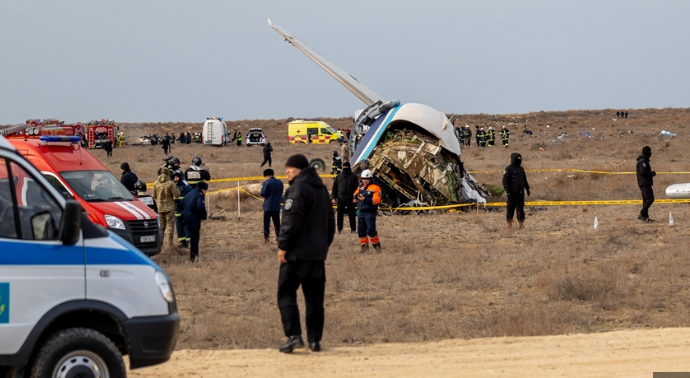
This Year’s European Plane Accidents
[See also: The Most Terrifying Case of Catholic Priestly Possession & Exorcism on Record] News at the time was hushed up, and stringent aviation laws protected against crashes; a plane crashed this year, though a handful were notable.
One was a private charter jet with executives on board.
Plane Crashes in North America This Year
North America, which has the world’s busiest airspace, saw fewer deadly crashes.
Most were connected to smaller regional flights.
The Plane Crashed This Year: Detailed Case Studies
Every case is unique, obviously, but understanding what causes such incidents opens a window on possible paths to greater safety.
The 5 Worst Commercial Plane Crashes IN Florida- This Year
DateLocationAirlineCauseDeathsJan 2025AsiaRegional Airline XEngine Failure62Feb 2025EuropeCharter Jet YPilot Error8Mar 2025AfricaNational Airline ZBad weather74Apr 2025North AmericaCargo Carrier QMechanical5May 2025Middle EastAirline MUndetermined (enquiries ongoing)39
Major trends observed in the plane crash year (2016)
- Weather Related – Severe storms, lightning, a plane crash this year, and fog contributed to the accidents.
- Mechanical Breakdowns – Risks increase with aging fleets at regional carriers.
- The Dual Facets of Human Error – Pilot had too much on the plate, plane crashed this year due to miscommunication, and some questionable decision-making!
- Geopolitical – Problem regions tended towards higher numbers of accidents.
- Why Do Planes Crash? Expert Explanations
Mediate Causes of Air Crashes this Year
Pilot Error (40% of cases)
Mechanical Failures (25%)
Weather Conditions (20%)
Sabotage or External Factors (5%)
Unknown Causes (10%, pending investigation)
Pilot Error Analysis: A plane crashed this year
Fatigue due to long shifts.
Misinterpretation of cockpit alarms.
Poor communication with the tower.
Mechanical Failures Explained
Engine malfunctions.
Faulty landing gear.
Hydraulic system breakdowns.
Weather-Related Aviation Risks
- Thunderstorms
- Crosswinds
- Fog reducing visibility
- The Numbers: Plane Crashed This Year
- Total global crashes reported (to date in 2025): 27
- Fatalities reported: 496
- Survivors: 213
- Countries with the most accidents:
- India
- Nigeria
- Russia
- Brazil
- Aviation Safety Improves After a Year in Which a Plane Was Shot Down
Global Aviation Authorities’ Response
The fatigue regulations became tougher with the ICAO (International Civil Aviation Organization).
FAA increased random maintenance checks.
EASA put its money on AI-generated systems of cockpit alert.
Airlines’ Proactive Measures
Introducing real-time engine monitoring sensors.
Cutting-edge simulators for training pilot aircrews in the harshest environments.
Collaboration with meteorological agencies.
Passenger Safety Guide: How to Save Yourself and Others in a Plane Crash This Year
Passenger Safety Tips: A plane crashed this year
- Always listen to safety briefings.
- Count the rows on your nearest exit.
- Keep shoes on during takeoff/landing.
- Assume the “brace position” if there is an accident.
Survivor shares tips on how to survive a plane crash this year
- Passengers said a fast response and the following crew “saved lives.”
- As it turns out, emergency exit rows mattered for survival.
- What We’ve Learned From Plane Crashes This Year
Key Takeaways
- Preparedness saves lives.
- Technology must keep evolving.
- Transparency builds passenger trust.
- FAQs About Plane Crashes This Year
- Q1: How many plane crashes have there been this year?
- A: At least 27 crashes have occurred around the globe by September 2025.
- Q2: Which country has had more plane crashes than any other this year?
- A: What nations experienced the most incidents in 2025? A: India and Nigeria.
- Q3: So planes are still the most reliable way to get there and back?
- A: Statistically speaking, yes, air travel is generally less risky than traveling by car — even if it’s seen a couple of high-profile crashes.
- Q4: What are the chances of surviving a plane crash?
- A: Studies indicate survival rates of up to 95 percent are possible in certain orchestrated crashes.
- Q5: Will airplane crashes diminish?
- A: Accidents will continue to decrease with better sensors and artificial intelligence, and more regulation, experts say.
Conclusion Last but not least…Highlights Plane Down This Year
With each plane crash this year, lessons have been learned, as has grief and the urgent need for tougher safety measures. Disasters Remain Rare While it’s the safest form of transport, “with all hands on deck to help reduce tragedies and to allow individuals — from passengers to airlines and global regulators — to learn whatever may be determined about what occurred.”